

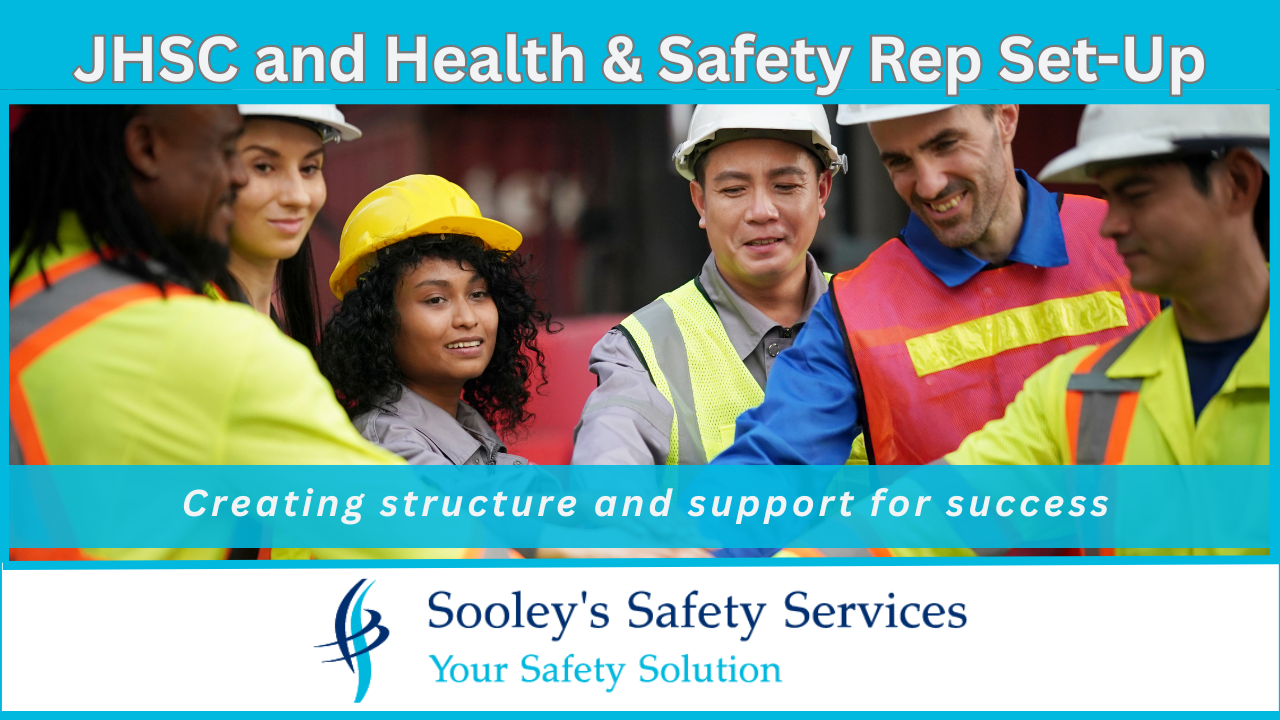
Ontario’s Occupational Health and Safety Act (OHSA) requires most workplaces establish either a Joint Health and Safety Committee (JHSC) or a Health and Safety Representative (HSR). These structures are the foundation of the Internal Responsibility System (IRS), ensuring hazards are identified early, controls are put in place, and workers have a meaningful voice in safety.
If your organization is growing, hiring seasonal staff, or expanding operations, now is the time to confirm your legal obligations. Let’s take a closer look at whether your committee or representative is functioning as effectively as it should.
Who Needs a JHSC or HSR?
Ontario’s requirements are based on your regular worker count, not peak or temporary staffing levels.
1–5 Workers – No JHSC or HSR is required, unless designated substances are present. Employers still must meet all other OHSA duties.
6–19 Workers – A Health and Safety Representative (HSR) is required and must be selected by workers, not appointed by management. The HSR is responsible for conducting monthly workplace inspections and making recommendations.
20+ Workers – A Joint Health and Safety Committee (JHSC) is required. The committee must have at least two members consisting of one worker and one management representative. Workplaces with 50 or more workers require four members. At least one worker and one management member must hold JHSC certification (part 1 + Part 2 training).
Designated Substances Present – A JHSC is required, regardless of worker count.
Setting Up a Joint Health and Safety Committee
Structure and Membership
Worker members must be selected by workers and must be free from undue influence. Management members are appointed by the employer. A common mistake is appointing worker members, rather than allowing workers to make that selection themselves. This undermines the integrity of the committee.
Certification Requirements
At least one worker and one management member must complete:
- JHSC Certification Part 1
- JHSC Certification Part 2
- Refresher training every three years
Certification is mandatory for required JHSCs.
Core JHSC Functions
- Conduct monthly workplace inspections (worker member)
- Identify hazards and recommend controls
- Review injury trends and incident reports
- Participate in workplace incident investigations
- Support the development of safe work practices and procedures
Meeting Requirements
The committee must meet at least once every three months. Minutes must be recorded and shared with workers, and all recommendations must be submitted in writing. Employers must respond to written recommendations within 21 days.
Having a Committee Is Not Enough
In my experience working with safety committees across many organizations, one of the most common issues I see is this: the committee exists on paper, but it isn’t functioning effectively in practice.
Many committee members start out genuinely motivated. But without clear direction, proper training, and internal support, frustration sets in. Members begin to question whether their work is making any real difference. The result is a committee that meets the minimum legal requirement, but, adds little value to the organization’s safety culture.
Getting this right starts with two things: selecting the right people, and supporting them properly.
Select Members Who Want to Be There
It’s much harder to build an effective workplace health and safety committee when members have been delegated into the role. Whenever possible, choose members who have demonstrated an interest in contributing to workplace safety. That motivation makes a significant difference in how the committee performs.
Support the Committee Internally
Organizations that have a safety coordinator or advisor should include and have that person involved directly with the committee’s work. A safety resource person can attend meetings, join members during workplace inspections, assist with policy and procedure reviews, help investigate incidents, and support communications between the committee and management.
The Terms of Reference: Your Committee’s Playbook
The most successful workplace safety committees are the ones that understand their roles and responsibilities. In my opinion, one of the most valuable contributions an internal safety advisor can make is helping the committee develop its terms of reference. This document defines the committee’s purpose, responsibilities, and boundaries. Think of it as the committee’s playbook.
Developing this document does not need to be complicated. It simply needs to define what the committee is there to do, and how it will do it. A strong terms of reference will:
- Confirm the committee meets its legislative requirements
- Define member duties, responsibilities, and accountabilities
- Establish boundaries so the committee stays within its mandate
- Provide the organization with a tool to measure committee effectiveness
The committee’s work should focus on seven core functional areas:
- Workplace inspections
- Communication
- Work refusals and stoppages
- Accident investigations
- Activities and initiatives
- Unresolved safety concerns
- Policies, procedures, and program reviews
Keeping the committee’s efforts anchored to these areas helps ensure its work is focused, consistent, and valuable to the organization.
Common Mistakes to Avoid
- Counting only full-time staff and overlooking seasonal or part-time workers
- Appointing worker members instead of allowing workers to select them
- Failing to provide time and resources for inspections and meetings
- Not responding to written recommendations within the required 21-day window
- Treating certification as optional. It is legally required
- Allowing the committee to become reactive rather than proactive
The Benefits of Getting It Right
A well-functioning JHSC or HSR program delivers real, measurable value:
- Earlier identification of workplace hazards
- Reduced injury rates and WSIB costs
- Improved worker engagement and morale
- Stronger compliance results during MOL inspections
- Better communication between management and frontline staff
Final Thoughts
Meeting the legal requirement to have a JHSC or HSR is just the starting point. The real value comes from ensuring the committee or representative is properly trained, well-supported, and set up to make a meaningful difference in your workplace.
Safety committees will only be as effective as the training and support that backs them up. When organizations invest in getting this right, the results speak for themselves.
Reminder: A strong safety committee is one of your best investments in the workplace safety.
If you need assistance establishing, reviewing, or strengthening your JHSC or HSR, including certification training, terms of reference development, or compliance support, I would be happy to help.