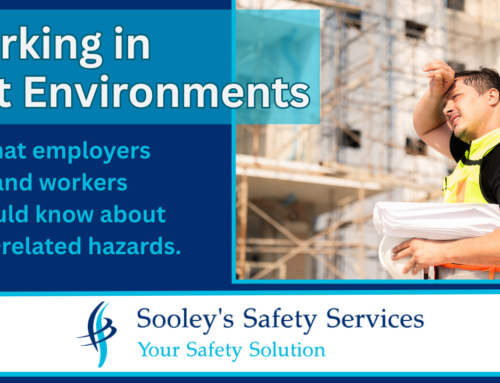


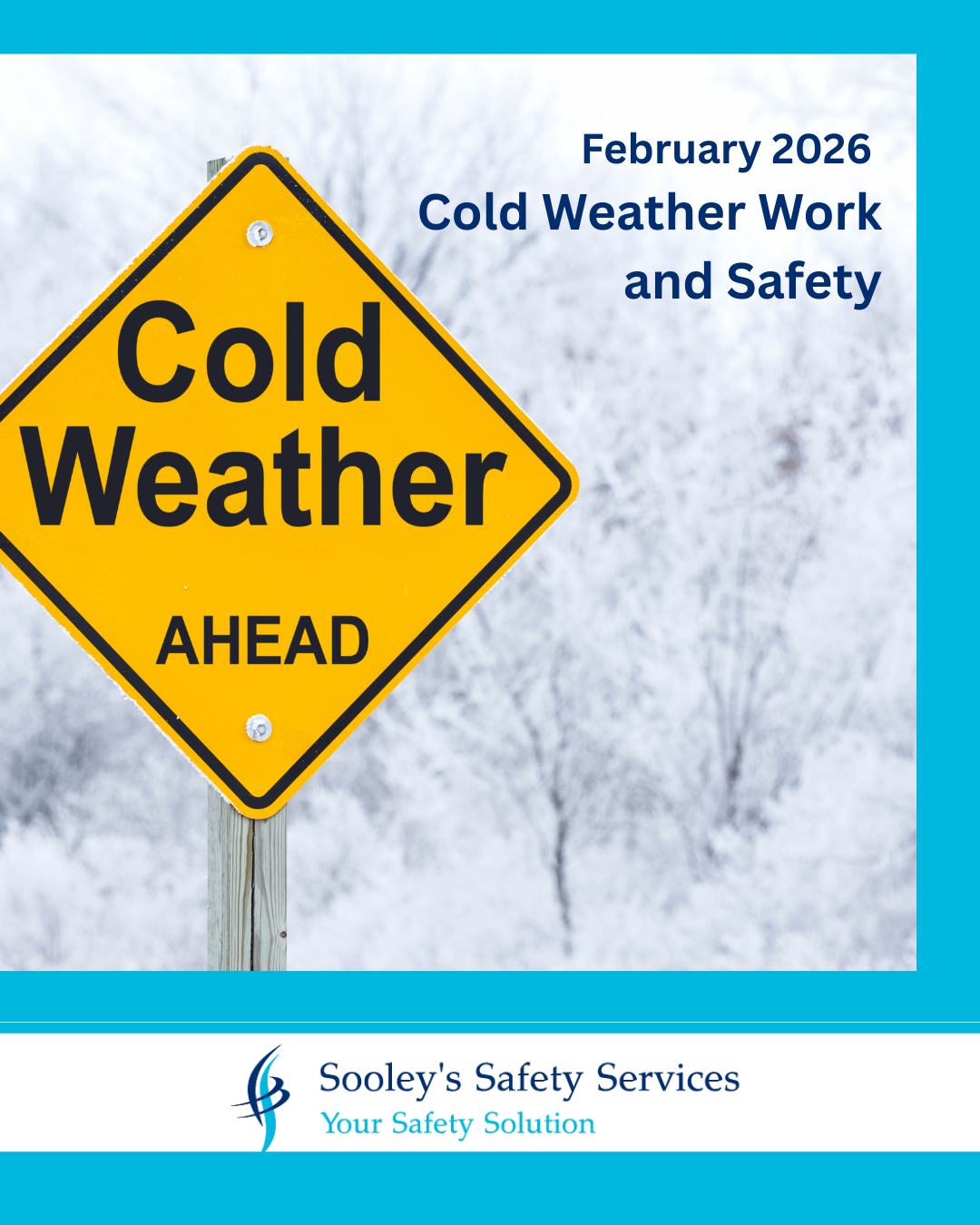
Cold temperatures are a reality in many Ontario workplaces, especially this time of year. Snow, ice and wind are common outdoor hazards, but cold exposure is not limited to outdoor work.
Indoor environments such as industrial coolers and freezers, arenas, and certain construction sites, can also pose serious cold-related risks.
Working in cold conditions presents significant health and safety concerns for workers across many industries, including construction, utilities, transportation, warehousing, and delivery services. Employers have a legal duty under Ontario legislation to assess cold-related hazards and to take every reasonable precaution to protect workers from cold stress and related injuries.
Below is an overview of key legal requirements, health risks, and practical control measures to help prevent worker injuries associated with cold temperature work.
Legal Requirements in Ontario
Occupational Health and Safety Act (OHSA)
Under the OHSA, employers must take every reasonable precaution to protect workers from cold stress and adverse weather condition. This includes the duty to:
- Identify and assess cold-related hazards, including temperature, wind chill, and wet conditions
- Provide information, instruction, and supervision to workers about cold stress risks and prevention.
- Ensure appropriate protective equipment such as insulated gloves, boots, clothing is available, when needed.
- Develop safe work procedures, including warm‑up breaks and emergency response plans.
Regulation 851- Industrial Establishments
Section 129 of Regulation 851states an enclosed workplace must be maintained at a temperature of at least 18 degrees Celsius, unless the workplace is:
- Not normally heated
- Impractical to heat
- Used to store perishable goods
- A location where raising the temperature would cause worker discomfort
Potential Injury Concerns
Cold Stress
Cold stress occurs when the body is unable to maintain its normal internal temperature. Prolonged exposure can lead to serious cold-related illnesses and injuries, permanent tissue damage or death. Risk factors include:
- Low air temperature
- Wind chill
- Wet clothing
- Damp conditions
- Fatigue or underlying medical conditions
- Prolonged exposure
Hypothermia
Hypothermia develops when the body loses heat faster than it can produce it. Early symptoms include shivering, fatigue, loss of coordination, confusion and disorientation. As the condition worsens, symptoms may include:
- No shivering
- Blue skin
- Dilated pupils
- Slowed pulse and breathing
- Loss of consciousness
Hypothermia First Aid
- Alert the supervisor and request medical assistance
- Move the victim into a warm, dry room or shelter
- Remove their wet clothing
- Warm the core their body first (chest, neck, head, and groin), using an electric blanket or use skin-to-skin contact under loose, dry layers of blankets, clothing, towels or sheets.
- Provide warm non-alcoholic beverages, if conscious.
- Do not give beverages to an unconscious person
- When body temperature rises keep the victim dry and wrapped in a warm blanket including the head and neck.
- If victim has no pulse, begin CPR.
Frostbite
Frostbite causes a loss of feeling and color in affected areas, mostly the nose, ears, cheeks, chin, fingers or toes. Symptoms include reduced blood flow to hands and feet, numbness, tingling or stinging, aching and pale or bluish waxy skin. Severe cases can result in permanent damage or amputation
Frostbite First Aid
- Get into a warm room, as soon as possible
- Avoid walking on frostbitten feet
- Gently rewarm affected areas using warm (not hot) water or body heat
- Do not rub or massage the frostbitten area
- Avoid direct heating sources such as heating pads, heat lamps, or the heat of a stove, fireplace, or radiator
Trench/Immersion Foot
Trench foot results from prolonged exposure to wet and cold conditions and can occur at temperatures as high as 15°C (60°F) if feet are constantly wet. Symptoms include reddening of the skin, numbness, leg cramps, swelling, tingling pain, blisters/ulcers, bleeding under the skin, gangrene, and in severe cases, tissue damage.
Trench Foot First Aid
- Remove wet footwear and socks
- Dry feet thoroughly
- Avoid walking on affected feet, if possible
Recommended Controls (Ontario Guidance)
Ontario guidance from CCOHS and OHCOW emphasize using a combination of controls based on the hierarchy of hazard controls.
- Engineering Controls
- Heated shelters or designated warm‑up areas
- Windbreaks or barriers
- Heated tools, handles, or equipment
- Administrative Controls
- Adjusted work/rest schedules based on temperature and wind chill
- Buddy system to monitor for frostbite or hypothermia
- Rescheduling work to warmer parts of the day
- Training workers to recognize symptoms of cold stress
- Personal Protective Equipment (PPE)
- Layered, insulated clothing
- Waterproof outer layers
- Insulated gloves and boots
- Face, ear and head protection
- High‑visibility outerwear if visibility is reduced
Employer and Worker Responsibilities
Under the OHSA, workers have the right to know about cold hazards, participate in health and safety discussions, and refuse unsafe work if conditions pose a danger.
Employers should:
- Schedule work in cold areas for warmer parts of the day or on another day
- Reduce worker physical demands and increase staffing for long demanding jobs
- Provide warm break areas and hot liquids to workers
- Monitor workers who are at risk of cold stress
- Provide cold stress awareness training for workers
Workers should:
- Wear several layers of appropriate, loose clothing to provide better insulation
- Protect exposed skin (ears, face, hands and feet) in extremely cold weather
- Wear waterproof and insulated boots
- Wear a hat to reduce body heat escaping from your head
- Take breaks in warm areas, as scheduled
- Keep spare cold weather gear (extra socks, gloves, hats, jacket, blankets, change of clothes) available
- Include a thermometer and chemical hot packs in your first aid kit
- Avoid touching cold metal surfaces with bare skin.
- Monitor physical condition of workers and yourself.
Conclusion
Cold temperature work represents serious risks, but with proper planning, training, and controls, injuries can be prevented. Proactive measures not only protect workers, they also help employers demonstrate due diligence and maintain compliance. Let’s prevent potential fines and non-compliance issues ahead of time. Prevention is better than reaction! If you need assistance assessing cold-related hazards, implementing controls, or reviewing your program for effectiveness I can help. Contact me by phone or email today.
Phone: 416-984-1107
Email: doug@sooleyssafetyservices.ca