

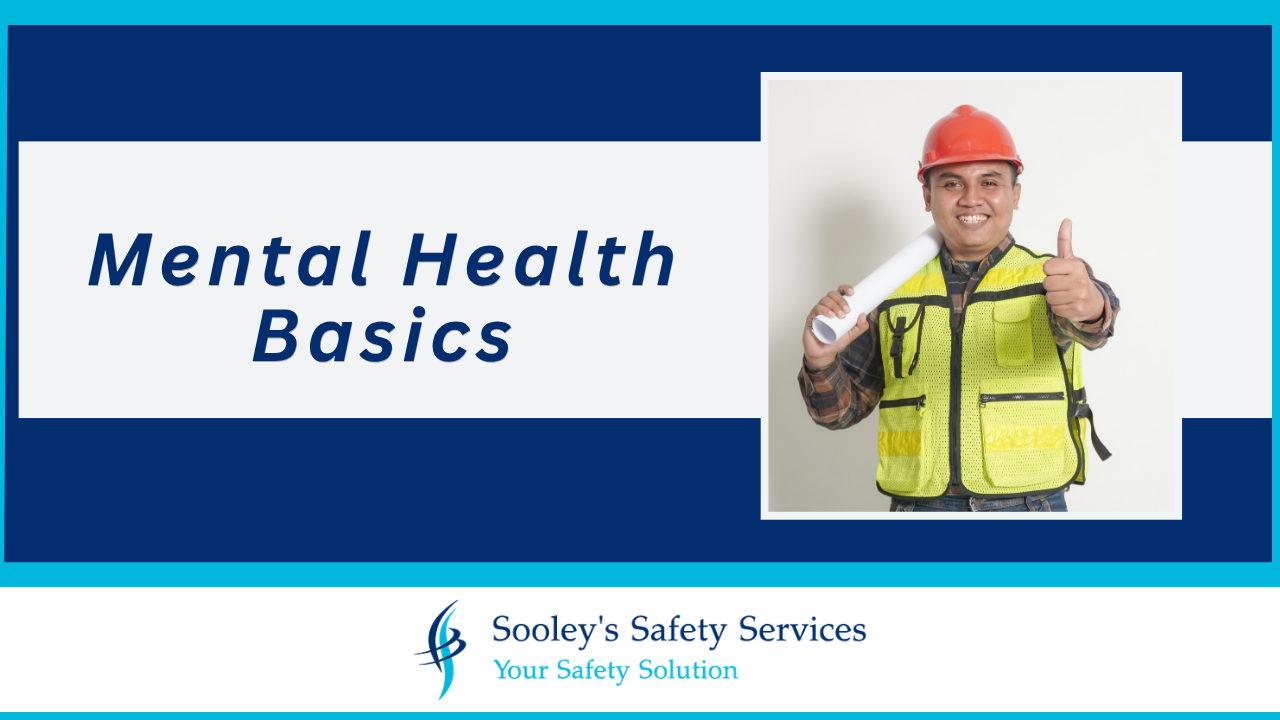
Mental health is no longer a secondary workplace concern. It is increasingly recognized as a shared responsibility and a core component to creating a safe, productive, and sustainable work environment.
In today’s workplaces, employees face increasing pressures from workload demands, organizational change, and the challenge of balancing work and personal responsibilities. Left unaddressed, these factors can lead to stress, burnout, and more serious mental health concerns. A mentally healthy workplace requires collaboration between employers, managers and employees to create a “culture of care” rather than just a set of enforced policies.
For employers in Ontario, supporting mental health is not just a best practice, it is part of creating a safe and responsible workplace.
Why Mental Health Matters at Work
A healthy workplace benefits both employees and the organization. When mental health is supported:
- Employees are more engaged and productive
- Absenteeism and turnover are reduced
- Workplace culture and morale improve
- Organizations reduce risk and strengthen due diligence
Conversely, poor workplace environments, such as those with unclear expectations, low support, or high stress, can negatively impact both mental and physical health.
Employer Responsibilities
Under the Occupational Health and Safety framework, employers are required to take every reasonable precaution to protect worker health and safety. This includes addressing psychological hazards such as:
- Workplace harassment and bullying
- Excessive workload or unrealistic expectations
- Lack of communication or support
- Organizational change without proper planning
Mental health is increasingly recognized as part of overall workplace safety, not separate from it.
Common Workplace Risk Factors
Mental health risks in the workplace often arise from a combination of organizational, job-related, and interpersonal factors including:
- Poor communication and unclear job expectations
- Limited employee involvement in decision-
- Inadequate support from supervisors
- Inflexible working arrangements
- High workload and time pressures
- Lack of team cohesion or workplace conflict.
Certain roles, such as first responders, construction workers, and those in high-demand environments, may also face elevated risk due to the nature of the work.
National Standard for Workplace Mental Health
The Mental Health Commission of Canada, developed by the National Standard of Canada for Psychological Health and Safety in the Workplace (the Standard) offers a voluntary framework of guidelines and tools to promote mental health and prevent psychological harm at work. The Standard focuses on identifying and mitigating 13 key factors, some of which are to:
- Identify psychological hazards
- Assess and control risks
- Promote mental well-being
- Measure and improve workplace practices over time
Organizations that adopt this approach often see improvements in productivity, retention, and overall workplace culture.
What Employers Can Do
Creating a mentally healthy workplace does not require a complete overhaul, but, it does require intention.
Effective strategies include:
- Strengthening communication: Ensure expectations, roles, and responsibilities are clear
- Encouraging participation: Involve employees in decision-making that affects their work
- Supporting work-life balance: Promote reasonable hours, breaks, and flexibility, where possible
- Providing training: Help workers and supervisors recognize signs of stress and burnout
- Recognizing contributions: Acknowledge employee efforts and achievements
- Providing access to support: Ensure employees know where and how to get help
Small, consistent actions often have the greatest impact.
Supporting Employees in the Workplace
Employees experiencing mental health challenges should feel supported, not stigmatized. Organizations can assist by:
- Offering flexible work arrangements where feasible
- Maintaining open, respectful and confidential communication
- Adjusting job duties when appropriate
- Supporting return-to-work plans
Creating a culture where employees feel safe to speak up is one of the most important steps an organization can take.
Practical Habits to Support Mental Well-Being
While organizational support is critical, individuals can also take steps to manage stress and maintain mental fitness.
- Take regular breaks throughout the day
- Stay physically active
- Maintain healthy eating and sleeping habits
- Set realistic goals and priorities
- Stay connected with coworkers and support networks
- Take time to disconnect from work when off-duty
- Schedule time for yourself daily and press “pause” occasionally
- Practice relaxation techniques
- Choose a positive attitude
- Treat everyone (including yourself) with respect and kindness
These habits, combined with a supportive workplace, can significantly reduce stress and improve overall well-being.
Excerpts were taken from the Mental Health Commission of Canada, the World Health Organization and The Canadian Centre for Occupational Health and Safety websites.
Final Thoughts
Mental health in the workplace is a shared responsibility. Employers, supervisors, and workers all play a role in creating a safe, respectful, and supportive environment. By taking a proactive approach, organizations can reduce risk, improve performance, and most importantly, support the well-being of their people.
REMEMBER, PREVENTION IS BETTER THAN REACTION!
If you would like support in reviewing your workplace programs, or implementing mental health initiatives, contact me today.